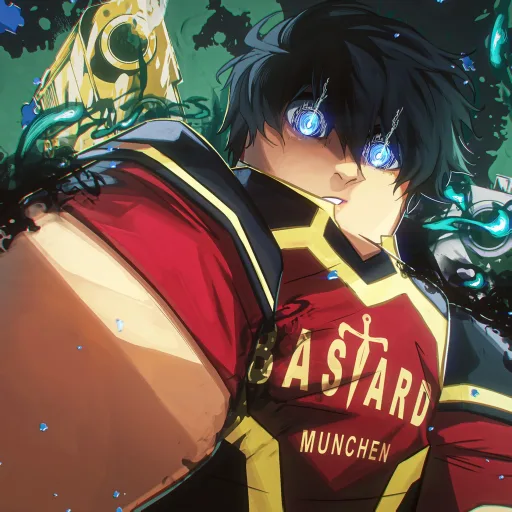
New to Goalbound? Learn controls, shooting, tackling, flow and awakening, plus the fastest starter route for Blue Lock 6v6.
Goalbound Beginner Guide 2026
Pick up Isagi, learn Shift sprinting, M1 shooting with curve control, E tackling and Q dribbling, then spend your first spins on a real style before touching egos. Goalbound is a Blue Lock 6v6 football game where twelve players share one pitch, so positioning beats mechanics for the first ten hours. Training areas exist for solo practice, and flow plus awakening decide the final minutes.
- Matches are 6v6 with twelve players per server, not small-sided kickarounds, so every role matters from kickoff.
- The full key list fits on one table below, and three of those keys decide most beginner games.
- Styles are your character kits, egos are passive stat bonuses underneath, and spins for both come free from codes.
- Flow charges during play and awakening flips matches late, so save both for moments that matter.
Your first match, step by step
Start from the lobby, queue into a 6v6 match, and take whatever position is open rather than fighting teammates for striker. Beginners contribute fastest from midfield or defense, where mistakes cost chances instead of conceding goals. Sprint only in straight lines, pass early, and tackle with E when the carrier commits to a direction.
The opening minutes should be quiet on purpose. Watch which teammate carries the ball best, then feed them and cover the space they vacate. Twelve-player football punishes hero dribbling through three defenders, and the fastest way to lose a lobby is treating every touch like a showcase. One clean pass that keeps possession is worth more than four attempted dribbles that turn it over.
Between matches, visit the training areas mentioned on the official game page to rehearse shooting and curve shots without opponents. Ten minutes of solo shooting practice teaches more than an hour of match chaos, because you can repeat the same strike until the timing sticks. Then queue again and try exactly one new technique per game rather than everything at once.
Official source: Goalbound on Roblox - the live game page confirming 6v6 team matches and dedicated training areas.
Every key you need
The official page lists the full control scheme, and the table below reproduces it exactly. Three keys carry beginners the furthest: Shift for sprint positioning, M1 for shooting, and E for tackling.
| Input | Action | Beginner note |
|---|---|---|
| Shift | Run | Sprint in straight lines, never in circles that drain stamina |
| Space | Rainbow Flick | Skip until dribbling basics land |
| E | Tackle | Time it as the carrier commits, not before |
| E in air | Intercept | Jumps into passing lanes, best in defense |
| Space plus M1 | Header | Aerial finishes and clearances |
| M1 | Shoot | Tap timing sets placement, hold sets power |
| M1 plus A or D | Curve shot | Bends around keepers, practice in training first |
| M1 plus M2 | Shot feint | Fakes the strike to unbalance defenders |
| M1 plus M2 timed | Parry | Keeper-oriented deflection, low beginner priority |
| M1 timed | Volley shot | First-time strikes on incoming balls |
| Q | Dribble | Short skill bursts, one defender at a time |
| T | Flow | Match momentum state, save for decisive minutes |
| G | Awaken | Style transformation, the late-game flip |
Shooting deserves the first practice block. M1 alone finishes most beginner chances when aimed at corners, and adding A or D curves the ball around keepers who shade toward the near post. The feint matters next because 6v6 keepers read strikes early, and one fake creates the half-second a real shot needs. Volleys and parries can wait; they require timing that only settles after the base strike feels automatic.
Tackling is the defensive half of the game. E on the ground wins the ball when the carrier commits to a touch, while airborne E intercepts passes crossing your lane. New defenders should hold position and tackle late rather than charging in, because a missed charge removes you from the play entirely. Q dribbling rounds out the kit for the moments you do carry: short bursts past one defender, then pass before the second arrives. Full style context for whichever kit these keys drive sits in the tier list.
Shift, M1 and E decide beginner matches. Add curve shots fourth, Q dribbling fifth, and leave rainbow flicks, volleys and parries for week two. Players who master three keys beat players who fumble thirteen.
Styles, egos, flow and awakening
Styles are character kits drawn from the Blue Lock cast, fourteen strong on the current roster from NEL Isagi down to the 55 percent uncommon Isagi every account starts near. Each style brings its own shooting, dribbling and awakening paths, which is why two players pressing the same keys produce different results. Your first goal is replacing the starter with any B-tier or better pull, detailed in the tier list.
Egos sit underneath as passive bonuses across ten options including Genius, Dribbler and Streetstyle at the top. They adjust stamina drain, speed and similar stats rather than granting moves, so their effect is invisible until minute three when tired legs start losing duels. New accounts should equip anything quickly rather than chasing perfection, then refine once the style main is settled. The full economy of that chase is covered in the ego spins guide.
Flow on T and Awaken on G are the match-phase systems. Flow builds during play into a momentum state that sharpens your game at decisive moments, while awakening transforms your style late for the final push. Both reward patience: triggering them during a settled midfield spell wastes the window, while firing them into a counterattack or a defensive stand flips points. Watch one full match cycle before forming opinions, since their value only shows across complete games.
Spins for both pools come free from the start. Redeem every string on the codes page before spending anything earned in matches, spend normal style spins first for the playable main, and hold lucky spins until the tier list tells you what deserves them. The characters guide explains who each style is for players coming from the anime.
The first-day spins route
A clean sequence turns free currency into a playable account in under an hour. Follow it in order rather than improvising.
- Redeem all active codes from the codes page, RIENGOAT first for its four-pool spread.
- Spend Normal Style Spins until one B-tier or better style lands, then stop and lock it as your main.
- Play three to five matches on the new main to learn its range before judging it.
- Spend Normal Ego Spins until the passive page stops being blank, any ego beats none.
- Bank all Lucky Spins untouched until you have read the tier list and named a target.
- Rehearse curve shots and feints in training areas between queues.
Coins from MONEYSPREAD cover whatever progression the spins leave behind, so do not convert or waste them early. The most common beginner trap is burning lucky spins on night one for the thrill of rolling, which converts premium currency into collection filler. Patience here is worth more than any single pull, because the second banner you face will be stronger than the first.
Normal spins find your main, lucky spins upgrade it. Burning lucky currency before you know the tiers is how accounts end up with rare kits that do not fit their position. Hold them until a target is named.
Goalkeeper and training notes
Goalkeeping draws little dedicated coverage, a single weak search signal against full word families for strikers, so treat it as a role rather than a build. Position between ball and goal, use timed M1 plus M2 parries only when set, and punch headers clear with Space plus M1 instead of catching what you cannot hold. Teams remember reliable keepers longer than flashy ones, and few beginners volunteer, which means the gloves are often yours for the asking.
Training areas are the official practice space named on the game page, and they deserve a fixed slot in every session. Warm up with ten strikes before queuing, drilling near-post placement first and curve shots second. Cooldowns after tilted losses belong here too: five quiet minutes rehearsing one technique resets hands and judgement better than instant requeueing. No separate training progression system is confirmed, so treat the areas as pure practice rather than a grind track.
For community next steps, the official Discord with roughly 257 thousand members answers day-to-day questions fastest, the XIIGO group at GO carries formal announcements, and the Goalbound Wiki documents systems once they settle. One naming caution: Goalbound Legacy is a separate similarly named listing, so confirm the XIIGO universeId 6925303818 entry before following advice found elsewhere.
FAQ
What are the basic controls in Goalbound?
Shift runs, M1 shoots, E tackles, Q dribbles, T triggers flow and G awakens your style. Curve shots add A or D to M1, headers add Space to M1, and airborne E intercepts passes. Master Shift, M1 and E first and the rest follows.
How do I shoot better as a beginner?
Aim M1 strikes at corners instead of straight at the keeper, then add curve with A or D once placement lands. Practice ten strikes in training areas before each session, use the shot feint to unbalance keepers, and take volleys only when the timing feels automatic.
What should I do on my first day?
Redeem all codes, spend normal style spins until a B-tier or better main lands, play a few matches to learn it, fill the blank ego page with normal ego spins, and bank every lucky spin. Full order with reasoning sits in the spins route section above.
What are flow and awakening?
Flow on T is a momentum state built during play that sharpens your game for decisive minutes, and Awaken on G transforms your style for the late-game push. Save both for counterattacks and stands rather than firing them into settled midfield spells.
Is goalkeeper worth playing as a beginner?
Yes when nobody else volunteers, which is often. Hold position between ball and goal, parry only when set, clear headers instead of catching risks, and expect more game time than striker applicants. It teaches positioning that transfers to every other role.
Related Guides
- Goalbound Codes October 2026 - every free spin funding the first-day route above
- Goalbound Tier List October 2026 - which styles and egos your spins should chase
- Goalbound Ego Spins Guide - how the passive pool works and where lucky ego spins come from
- Goalbound Characters Guide - who each style is, with Sae, Rin and NEL Isagi spotlights