
Pixel Lineage tier list for October 2026: ranking logic for races, classes and traits across survival, bosses and early game.
Pixel Lineage Tier List: Best Races and Classes
No fixed Pixel Lineage tier list survives contact with a weekly update schedule, but the ranking logic does: survival passives and boss damage sit at the top, flexible mid-tier picks carry most players, and niche options stay situational. Rarity guides the race tiers without deciding them alone, while classes rank by newcomer-friendliness and run consistency. Current as of October 9, 2026 — recheck after each patch.
- Top rule — survival plus boss damage outranks everything else
- Races — rarer usually means stronger, but synergy beats raw rarity
- Classes — simple weapon kits rank higher for most players
- Traits — picked to complete the race-plus-class pair, never alone
How This Tier List Works
A tier list for a two-week-old game that updates weekly cannot be a stone tablet. Specific race names, exact odds and talent rosters all shift with patches, and no reliable source publishes a stable full ranking — one third-party wiki runs a tier-list page, but it sits outside the verified source set and its data cannot be copied here. What this page gives instead is the ranking framework that stays correct across patches, plus tier logic grounded in confirmed mechanics.
Three criteria decide every placement:
| Criterion | Weight | Why |
|---|---|---|
| Survival | Highest | Limited lives mean staying alive is the run |
| Boss damage | High | Bosses gate progression and loot |
| Early game speed | Medium | Fast openings compound into knowledge and gold |
Survival leads because lives are finite — the extra-life code rewards prove runs end. A build that clears content 10 percent slower but dies half as often wins every race that matters. Boss damage follows because dungeon and boss content gates the loot that defines mid-game power. Early speed matters least of the three, though it still decides how fast new accounts compound gold and knowledge.
Two honesty notes before the tiers. First, rarity correlates with race strength but never equals it — a mid-rarity race whose passives fit your class beats a top-rarity roll that fights it. Second, every tier below assumes current-as-of dating: this list reflects the game as of October 9, 2026, and the weekly update promise means any patch can move pieces.
Official source: Pixel Lineage on Roblox — the official description confirms the roguelike difficulty and weekly update cadence this list is built around.
Race Tiers: Rarity Is a Guide, Not a Verdict
Races roll on a wheel at character creation, each carrying passive bonuses, with rarer races generally stronger and harder to land. The in-game RACE CHANCES panel shows the real odds — consult it, because no guide table survives the next patch. The tiers below rank race profiles, not names, so they hold whatever the current roster looks like.
| Tier | Race Profile | Who Wants It |
|---|---|---|
| S | Top-rarity with survival or damage passives | Every serious run |
| A | High-rarity with broadly useful passives | Most players, most builds |
| B | Mid-rarity with passives that fit your class | Smart budget picks |
| C | Common races with generic bonuses | Early game and placeholders |
| D | Any race whose passives fight your class | Reroll immediately |
S tier holds the rarest defensive and offensive passives — the rolls that change what content you can attempt. They are hard to land by design, and chasing them specifically is how players burn forty spins for nothing. Treat S rolls as windfalls: keep them when luck delivers, never budget around them.
A tier is the realistic ceiling for planned play. High-rarity races with broadly useful bonuses fit nearly any class, survive boss mistakes, and cost far fewer spins to land than S. Most strong accounts plateau here, and that is fine — an A race with a coherent class beats an S race stapled to the wrong kit.
B tier is where game knowledge pays. A mid-rarity race whose passive multiplies exactly what your class does — damage-on-type, defense that covers your weak turns — outperforms a higher-rarity generic in that specific build. Our races guide explains the wheel and odds panels behind these calls.
C tier covers the commons. They carry new accounts through the opening stretch and nothing more. Do not invest identity in them; spend the code spins and move up. D tier is not about rarity at all — any race, however rare, whose passives actively oppose your class plan belongs here, and rerolling it is the highest-value spin spend in the game.
The Fandom wiki races page documents the wheel, the rarity structure and the odds panel these tiers assume. Check it alongside the in-game panel when a patch lands.
Class Tiers: Simple Kits Win for Most Players
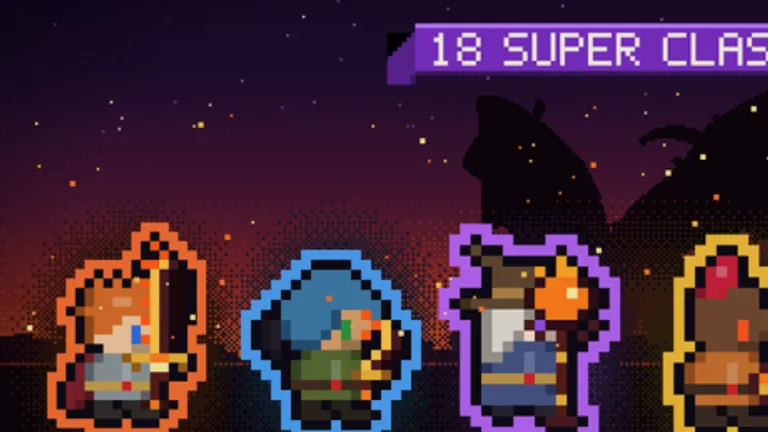
Classes are picked, not rolled, so the ranking question is different: which kits deliver consistent runs for players still learning the game. Each class decides weapons, skills and playstyle, and each branches into three Super paths later (branch names remain unconfirmed in reliable sources). The tiers below favor kits with clear game plans over exotic ones.
| Tier | Class Profile | Notes |
|---|---|---|
| S | Sturdy all-rounders with clear damage rotations | Survive mistakes, kill bosses |
| A | Strong specialists with one clear job | Excellent once you know the job |
| B | Flexible picks needing build support | Good with the right race and talents |
| C | Demanding kits for experienced players | High ceiling, punishing floor |
S tier belongs to the classes a beginner can pick up and survive with — direct weapons, readable skills, game plans that survive a misclick. These are the recommendations behind every newcomer guide: not the flashiest kits, but the ones that convert limited lives into completed runs. Pair them with any A-tier-or-better race and the account works.
A tier holds the specialists: classes that dominate one phase of the game — openings, boss burns, sustained clears — while asking the player to understand that phase. Pick one when you know which job you want, and build race and talents around it rather than improvising.
B tier is the synergy tier. These classes need a matching race passive and complementary talents to sing, which makes them bad blind picks and excellent second characters. Consult our traits guide before committing — the talent wheel decides whether a B class plays like an A or a C.
C tier is not bad design, it is demanding design. High-ceiling kits with punishing floors belong to players who already manage lives, potions and positioning well. Newcomers who pick here usually conclude the game is unfair; it is their pick, not the game.
The Fandom wiki classes page documents the class structure and the three-Super-branch system. Branch details change with patches, so verify names in game.
Trait Tiers: Complete the Pair
Traits — rolled on the talent wheel with Talent Spins — rank only in context. A trait tier list without a build attached is decoration, because the same talent plays S tier on one race-class pair and C on another. The framework:
| Tier | Trait Profile | Rule |
|---|---|---|
| S | Fixes your build's biggest weakness | Always keep |
| A | Multiplies your build's main strength | Keep when it aligns |
| B | Generically useful, build-agnostic | Fine filler, reroll last |
| C | Does nothing for your current pair | Reroll first |
The reroll priority falls out directly: C traits go first, then B when chasing alignment, while S and A stays are automatic. Never reroll a working S trait hunting a different S — the wheel does not owe you a better miracle, and spins are finite.
Talent spin income decides how aggressive to be. The codes pay 26 talent spins total across SAKURA, TORMENT, COMMUNITY! and TUTORIAL — our codes page has the strings — plus whatever events add. Budget roughly half to fixing C-tier misses and keep the rest for future characters or patch shakeups.
One verified-data warning: some third-party pages claim exactly 7 talents exist, but that count never cleared multi-source confirmation. This guide ranks trait roles rather than names so it stays correct regardless of the true roster size. Check the wheel in game for the actual list.
What to Reroll and What to Keep
Spin discipline separates strong accounts from broke ones. The decision tree:
- Race fights your class? Reroll the race first — nothing else compensates.
- Race is fine, talents are dead? Reroll talents until playable.
- Both playable? Stop. Bank remaining spins for the next character or patch.
- Chasing top rarity? Cap the chase — set a spin budget and honor it.
Step 1 dominates because race passives are always on while talents trigger situationally. A D-tier race-class clash wastes every other investment, so fixing it is the highest-value spend in the game. Steps 2 and 3 follow the same logic down the priority ladder.
Step 4 is the discipline check. GameRant notes that spins fix bad rolls rather than demanding restarts — true, but spins still run out. The code bundle refills them in batches, not infinitely. Players who burn everything chasing one rarity arrive at the next patch with empty pockets and a merely decent roll.
A B-tier race with aligned talents clears content today. The spins you save cover your second character, the next event, and whatever the weekly patch changes — the chase for perfect is how accounts end up spin-broke.
Bosses, Dungeons and Build Targets
Endgame evaluation runs through dungeon and boss content — the DUNGEONS+ tag in the official title says where the difficulty lives. Builds rank by whether they survive boss mechanics on limited lives and whether their damage clears gates before potions run dry. Survival-first race passives, boss-damage class kits, and weakness-fixing traits form the template; everything else is tuning.
Confirmed specifics end there. No reliable source currently gives boss names, dungeon layouts, mechanics or drop tables — the Fandom wiki confirms the content categories exist (bosses, enemies, locations) without publishable specifics. Any tier list quoting exact boss thresholds today is inventing them. Rank by the survival-damage framework, verify against the content in game, and expect this section to gain specifics as coverage matures.
PCGamesN and Gamepur both track the game closely enough that boss specifics will surface there first when they become writable. Until then, builds that survive and deal damage stay top tier by construction.
Keeping Your Rankings Current
Weekly updates make every tier list perishable. The maintenance routine:
- After each patch, check the in-game RACE CHANCES panel and talent wheel for roster or odds changes.
- Cross-check two trackers — ProGameGuides and Destructoid both refreshed within days of this writing — for meta shifts.
- Rerank only on evidence: a changed passive, a new branch, a rebalanced wheel. Rumor is not a patch note.
- Date everything: this list is current as of October 9, 2026. Any tier claim without a version date is suspect.
The framework above survives patches even when placements move — survival still leads, synergy still beats raw rarity, spins still demand budgets. Re-derive the tiers from the framework after each update rather than hunting a fresh list.
FAQ
What is the best race in Pixel Lineage?
The best race is a top-rarity roll whose passives fit your class — rarity alone does not decide it. A high-rarity race with aligned bonuses beats a rarer one that fights your kit. Check the in-game RACE CHANCES panel for current odds.
What is the best class for beginners?
A sturdy all-rounder with a readable weapon kit and clear damage plan. Simple classes convert limited lives into completed runs while you learn; demanding specialist kits belong to second characters, not first ones.
Should I spend all my spins chasing the rarest race?
No. Set a spin budget, fix clear misses first, and stop at playable. Banked spins cover future characters, events and patch shakeups — a decent aligned build today beats a perfect roll that bankrupts you.
How often does this tier list change?
As often as the game patches — weekly, by the developer promise. The ranking framework stays stable; specific placements move with balance changes. Recheck the odds panels and two trackers after each update.
Related Guides
- Pixel Lineage races — the wheel, odds and passives behind the race tiers.
- Pixel Lineage traits — talent roles that complete the top-tier pairs.
- Pixel Lineage beginner guide — the opening plan these rankings slot into.
- Pixel Lineage codes — the free spins that fund every reroll decision above.
More Pixel Lineage Guides
Pixel Lineage Halloween event guide with candy, SAKURA and OCTOBER codes, and limited-time rewards.
Pixel Lineage Roblox beginner guide: races, classes, spin rerolls, lives, first codes and early progression for new players.
Pixel Lineage Trello roadmap status, Discord and group links, update rhythm and where new codes land.