
First Person Boxing matchup guide: how pressure, evasion, counter and combo playstyles beat each other, and the adjustment that fixes a losing read.
First Person Boxing Style Matchups
First Person Boxing does not publish a matchup chart, and any site that prints a grid of style-versus-style percentages is inventing it. What the game does give you is a small set of confirmed style archetypes and a defensive system built on slips, guards and counters. From those, the matchups are readable.
- Four archetypes — pressure, evasion, counter, combination
- The core triangle — pressure beats evasion, evasion beats combination, combination beats pressure
- The counter problem — counter styles beat anything that has to commit first
- The fix — change your pace, not your style, when a matchup turns bad
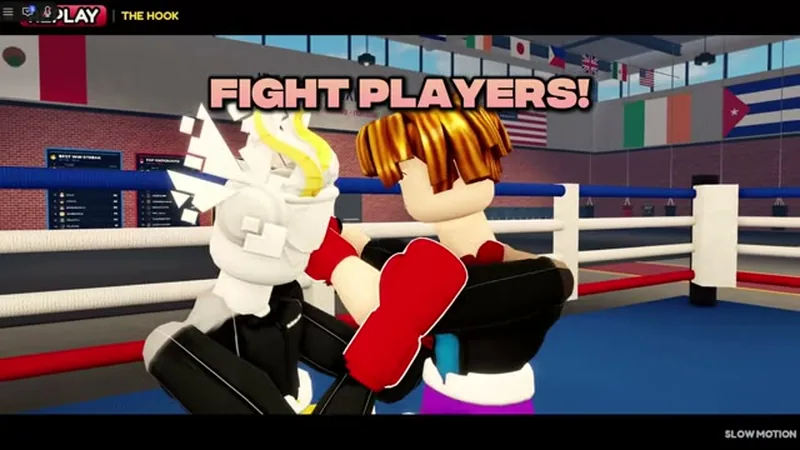
The Four Archetypes in First Person Boxing
The confirmed style names map cleanly onto four play patterns, and the mapping is the useful part even where the individual numbers are unknown.
Pressure — the style that never lets you set up. NIGHT TRAIN is the confirmed EPIC name in this family. Pressure wins by removing your thinking time; it loses when the opponent has a defensive answer ready.
Evasion — the style that is not where the punch lands. GHOST STEP and SLICK are the confirmed names here. Evasion wins by making the opponent miss and pay for committing; it loses to volume that does not need to commit.
Counter — the style that waits. ROPE A DOPE and PENDULUM fit this family, one by posture and one by rhythm. Counter wins against anything that has to throw first; it loses against anything that refuses to.
Combination — the style built around volume and chains. SNIP and PHILLY SHELL sit closest to the technical end of this family, one by precision and one by shelling up between bursts.
The exact mechanics inside each style are not published. What is stable across all of them is the structure: commit, miss, recover, punish.
The Core Triangle
The matchup logic in this game is not rock-paper-scissors between styles; it is a loop between behaviours.
| This behaviour | Beats | Because |
|---|---|---|
| Sustained pressure | Pure evasion | Evasion needs space; pressure removes it |
| Pure evasion | Volume combinations | Volume has to commit; committing creates the whiff |
| Volume combinations | Passive counters | A counter that waits gets hit before it fires |
Read that table as advice about how to play the round, not about which style wins. A NIGHT TRAIN player who backs off is no longer playing pressure. A ROPE A DOPE player who starts chasing is no longer playing counter.
Why Counter Styles Are the Gatekeeper
Counter styles beat every archetype that has to commit first, which is most of them. This is why so many players stall out: they learn a combination, they meet a counter player, and every exchange they start ends with them eating a COUNTER HIT.
The fix is uncomfortable but reliable: refuse to commit first. Throw a single fast punch that recovers safely, then wait. If the counter player also refuses to commit, the round becomes a staring contest — and that is fine, because the first person to break is the one who loses.
Against a dedicated counter player, the winning adjustment is usually to make them the aggressor and then punish their first committed punch. It is the same skill, pointed the other way.
Two counter players produce a passive, low-action round that goes to whoever gets bored. If you have one style and it is a counter style, you have no way to break the stall. That is the strongest argument for unlocking a second slot.
Pressure versus Evasion
This is the most common live matchup and the one where small habits decide the result.
Pressure wins by cutting off the slip. In a first-person game, the slip direction is a real spatial move, so a pressure player who angles toward the opponent's escape side removes the evasion entirely. That is why rope-adjacent fights favour pressure.
Evasion wins by making the pressure player over-commit. A single slip that produces a counter teaches the pressure player to slow down, and a slowed pressure player is no longer applying pressure.
The practical adjustment for the evasion player: slip into the opponent's lead hand, not away from it. Slipping away extends the exchange; slipping inside ends it.
Combination versus Pressure
Volume against volume is a stamina race, and the stamina guide explains why.
The combination player wins if they can throw in bursts and reset. The pressure player wins if they can force continuous exchange. So the combination player's job is to break rhythm deliberately — throw two, step out, throw two, step out — rather than to match volume.
If you find yourself in a sustained exchange with a pressure style, you have already lost the matchup even if you are landing punches. Disengage, reset, and make them come to you.
The One Adjustment That Fixes Most Losses
When a matchup turns bad, players usually want to change style. The cheaper fix is to change pace.
Ask one question after a lost round: who threw first in most exchanges? If it was you, you are feeding a counter player or a shell. If it was them, you are being pressured and need to answer first instead of second.
That single question tells you which archetype you are actually losing to, and the answer is usually not the one you assumed. A player who thinks they lost to "better style" often lost because they opened every exchange.
Building a Slot Set That Covers the Triangle
Once you have more than one slot, the goal is coverage rather than depth. Three slots that cover pressure, evasion and counter beat four slots that all do the same thing.
The styles guide has the confirmed names by band, and the tier list ranks them. The matchup takeaway is simpler: keep one style from each row of the triangle, and you will never be stuck without an answer.
Sources and Further Reading
- The official group behind the game: the official Can You Box? group
- Code payouts and the redeem steps: UrGameTips' First Person Boxing code list
Official source: First Person Boxing on Roblox — the official description confirms that guards cover head and body separately and that counters create knockouts, which is the structural basis for every matchup here.
Frequently Asked Questions
Is there an official First Person Boxing matchup chart? No. The game publishes no matchup data. This page derives the relationships from confirmed style archetypes and the guard, slip and counter systems.
What beats a counter style? Refusing to commit. Throw one safe punch, let the counter player become the aggressor, then punish their committed punch.
What beats pressure? A slip that lands, followed by a counter. Pressure relies on you being unable to answer, so one clean answer changes the round.
Do I need multiple styles for matchups? Yes, eventually. One slot means one answer, and a single answer can always be countered. Three slots covering three archetypes is the practical target.
Does rarity decide matchups? No. Archetype and pace decide matchups. A well-played EPIC beats a poorly-played MYTHIC.
More First Person Boxing Guides
First Person Boxing stamina explained: the fatigue bar, cardio, why getting tired slows you down, and how to pace a fight without gassing out.
First Person Boxing styles guide: the Roll Styles screen, the five rarity tiers, the confirmed style names, drop rates and the 40-spin legendary pity.
A First Person Boxing style tier list built only from confirmed names and rarities, with what each tier means and how to judge a style yourself.